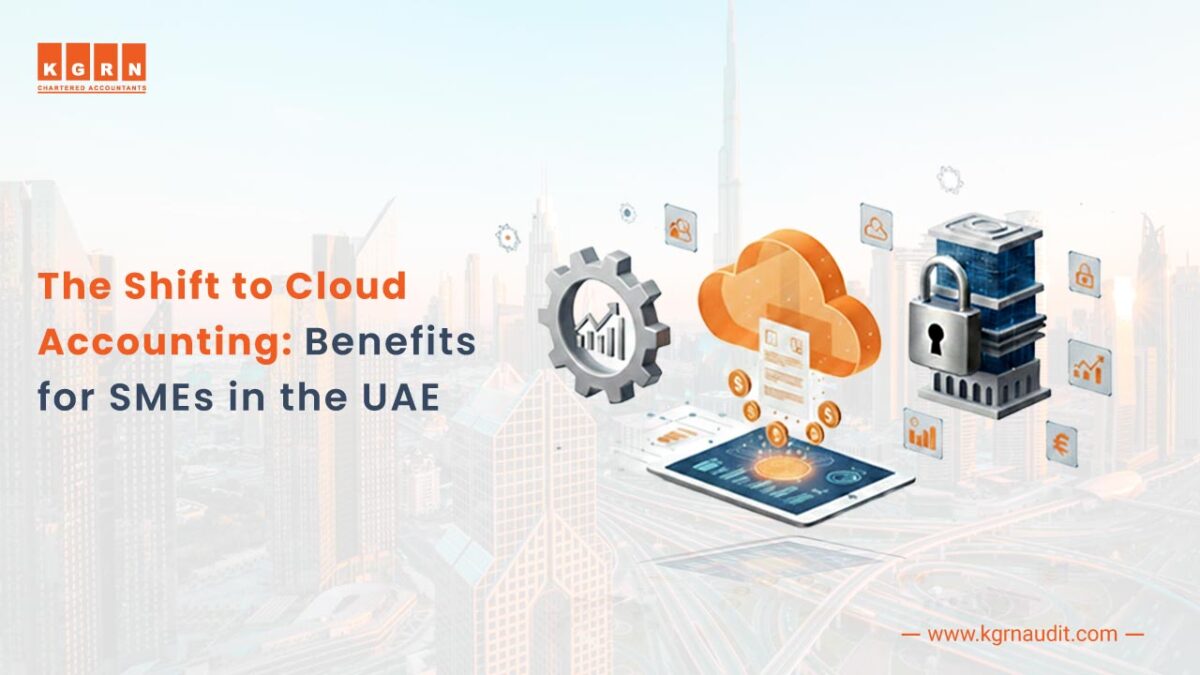
The UAE’s business environment is being fueled by digital transformation and financial reform. With the recent mandate for e-invoicing across UAE businesses, the regulatory framework has become more sophisticated, compelling many organizations to rethink how they manage their financial operations. For many businesses, particularly small and medium-sized enterprises (SMEs) that rely on traditional accounting practices, meeting expectations regarding transparency, accuracy, and compliance can be challenging.
For SMEs, cloud accounting is emerging as a critical component of modern financial infrastructure. Beyond being a technological upgrade, these solutions represent a strategic shift toward integrated, compliant, and future-ready financial functions.
The UAE government has stated that there will be approximately 1 million small and medium enterprises (SMEs) in the UAE by 2030. With over 94% of all businesses in the UAE being SMEs and contributing to more than 50% of the UAE’s GDP, improving financial governance is essential for both individual businesses and for creating a better overall economic environment.
This guide from KGRN will help you understand how the shift from traditional accounting to cloud accounting can mitigate the hidden drain on time and resources caused by manual entries and fragmented files for SMEs.
The UAE’s Regulatory Landscape is Driving Financial Modernization
In recent years, the UAE has enacted significant regulatory changes aimed at aligning with international best practices regarding financial governance. These developments have introduced a higher level of oversight for financial documentation and reporting practices.
The VAT rules have been updated to require all businesses to keep records (including supplier invoices, credit notes, and journals/ledgers) for at least five years from the end date of the applicable Reporting Period. The retention period for records related to capital assets will be ten years from their date of purchase, and real estate transactions have a retention period of 15 years to improve compliance and audit readiness.
The implementation of Corporate Tax at a standard rate of 9% has further elevated the importance of accurate accounting. Errors in financial reporting can lead not only to incorrect tax filings but also to regulatory investigations.
Non-compliance is no longer a minor administrative risk. Under UAE tax regulations, penalties can escalate quickly, including fines for:
- Failure to maintain proper records
- Late or inaccurate tax submissions
- Incorrect VAT filings
- Inadequate audit trails
Moving from Software to Integrated Financial Solutions
When evaluating cloud accounting, the technology is often at the forefront of the discussion. But it’s important to understand that the value of a cloud accounting system comes not from the platform, but from the value of the full solution it will provide.
Cloud accounting solutions integrate the financial processes and compliance controls, reporting capabilities, and data security into one cohesive ecosystem. A cloud accounting (or “delivering” system) does not operate independently; instead, it provides a structured financial environment that allows for both operational efficiencies and regulatory compliance.
This difference is particularly significant to companies operating in the UAE, which must navigate a complex regulatory environment and meet a variety of compliance obligations. Using a separate bookkeeping, invoicing, tax calculation, and reporting systems will only lead to increased errors and inaccuracies.
By integrating the different functions through a single cloud-based solution, the transfer of financial data from one function to another is seamless, thus significantly reducing the risk of error.
Strengthening Compliance through Structured Financial Systems
Regulatory compliance is becoming increasingly continuous rather than periodic. Authorities expect businesses to maintain accurate records at all times, not just during audit cycles.
Cloud accounting solutions help organizations embed compliance directly into their financial workflows. Automated VAT calculations reduce the likelihood of reporting errors, while standardized documentation ensures that supporting records are readily available when required.
One of the most valuable features of cloud environments is the creation of detailed digital audit trails. Every transaction is time-stamped and traceable, enabling businesses to demonstrate transparency with confidence.
As Corporate Tax regulations mature, the ability to retrieve reliable financial data quickly will become even more critical. Businesses relying on manual processes may struggle to meet these expectations, exposing themselves to avoidable risk.
Supporting UAE’s Shift Toward Digital Reporting
E-invoicing is anticipated to be one of the biggest pieces of regulation to occur this year that businesses will have to comply with. Businesses will need to create invoices electronically and have their invoice formatting in accordance with the specifications set by the government to be able to integrate with their platforms.
Businesses relying on manual invoicing will experience significant operational disruption during implementation
Using cloud accounting software to transition to e-invoicing has a host of benefits as it gives businesses a platform that provides them with the ability to adapt to the new regulations. Also, cloud accounting allows businesses to seamlessly integrate with any new regulations without having to change or overhaul their systems at the last minute.
By being early adopters of e-invoicing businesses are able to be ahead of the regulatory changes and avoid having to adjust after the fact.
How KGRN Adds Value to UAE Businesses Adopting Cloud Accounting Solutions
A cloud accounting system is not just about choosing a platform; there is a systematic process required to ensure that the technology is aligned with the regulatory requirements of the business and the overall goals of the organization.
KGRN supports the organization in this process by evaluating their current financial processes, identifying gaps in compliance and designing the cloud framework to meet their operational needs.
KGRN builds financial environments grounded in data validation, system migration, and configuration aligned with UAE accounting principles; so that the businesses have increased confidence in their compliance with regulations.
In addition to assisting with the implementation of the cloud system, KGRN also works with the organization to establish internal controls, strengthen documentation and create an audit-ready financial system to increase transparency of the business.