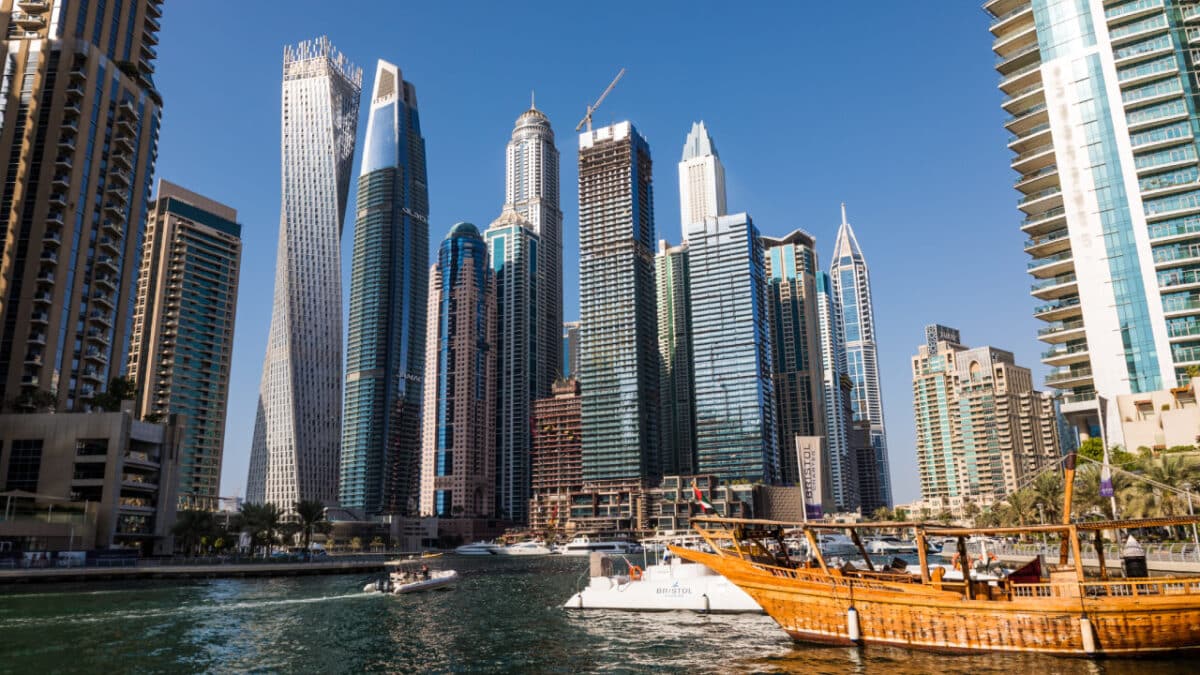
Dubai, a global business hub renowned for its strategic location, tax-free environment, and world-class infrastructure, continues to attract entrepreneurs and investors seeking to establish offshore companies. In 2025, setting up an offshore company in Dubai remains a compelling option for those looking to optimize international trade, protect assets, and benefit from financial confidentiality. Offshore company formation in Dubai offers a tax-efficient structure, 100% foreign ownership, and access to a robust banking system, making it ideal for global business operations. This comprehensive guide will walk you through the process, benefits, and key considerations for establishing an offshore company in Dubai in 2025, with expert insights to ensure a seamless setup.
Highlights
- Tax-Free Environment: Offshore companies in Dubai enjoy zero corporate, income, and withholding taxes.
- 100% Foreign Ownership: No local shareholding is required, allowing full control for foreign investors.
- Confidentiality: Shareholder and director details remain private, ensuring business privacy.
- Quick Setup: The formation process typically takes 2–7 working days with minimal paperwork.
- Global Trade Opportunities: Offshore companies can engage in international business and open multi-currency bank accounts.
Setting up an offshore company in Dubai in 2025 is a strategic move for entrepreneurs seeking tax efficiency, asset protection, and global market access. By choosing the right jurisdiction, engaging a registered agent, and ensuring compliance, you can establish a cost-effective and confidential business entity in one of the world’s most dynamic economies.
Understanding Offshore Company Formation in Dubai
What is an Offshore Company?
An offshore company in Dubai is a legal entity registered in a designated jurisdiction, such as Jebel Ali Free Zone (JAFZA), Ras Al Khaimah International Corporate Centre (RAK ICC), or Ajman Free Zone, but primarily conducts business outside the UAE. Unlike mainland or free zone companies, offshore companies cannot operate within the UAE market or maintain a physical office. They are designed for international trade, asset holding (e.g., real estate, intellectual property), and investment purposes. Offshore companies receive a Certificate of Incorporation rather than an operating license, simplifying the setup process.
Why Choose Dubai for Offshore Company Formation?
Dubai’s appeal as an offshore hub lies in its business-friendly policies and strategic advantages. The UAE’s zero-tax regime allows offshore companies to retain all profits, while double taxation avoidance agreements with over 40 countries minimize tax liabilities globally. Additionally, Dubai’s offshore jurisdictions prioritize confidentiality, ensuring that shareholder and director details are not publicly disclosed. The city’s proximity to major trade routes, world-class banking system, and liberal financial environment further enhance its attractiveness for international investors.
Key Jurisdictions for Offshore Company Formation
Jebel Ali Free Zone (JAFZA)
JAFZA, established in 1985, is Dubai’s premier offshore jurisdiction and a major trading hub surrounding Jebel Ali Port. It is the only UAE offshore jurisdiction that allows companies to directly own real estate in Dubai, subject to free zone and developer approval. JAFZA offshore companies require a minimum of two directors, an appointed secretary, and annual audit reports. While setup costs are higher compared to other jurisdictions, JAFZA’s strategic location and access to global trade networks make it a top choice for businesses targeting international markets.
Ras Al Khaimah International Corporate Centre (RAK ICC)
Located just 45 minutes from Dubai, RAK ICC is known for its cost-effective and flexible offshore company formation. It requires only one shareholder and one director (who can be the same person) and does not mandate annual audit reports. RAK offshore companies can own UAE real estate, hold shares in local businesses, and manage multi-currency bank accounts. The jurisdiction’s low setup and renewal fees make it ideal for startups and small businesses seeking affordability without compromising on benefits.
Ajman Free Zone
Ajman Free Zone, strategically located near Dubai, offers the cheapest option for offshore company formation in the UAE, with costs starting at approximately AED 7,500. Like RAK ICC, it requires one shareholder and one director and allows for quick changes in business structure. Ajman is particularly attractive for small businesses and entrepreneurs due to its simplified procedures and competitive pricing. Its proximity to Dubai ensures access to the emirate’s infrastructure while maintaining cost efficiency.
Step-by-Step Process for Offshore Company Formation
Step 1: Choose the Right Jurisdiction
Selecting the appropriate jurisdiction is the first step in offshore company formation. JAFZA is ideal for businesses prioritizing real estate ownership and global trade, while RAK ICC and Ajman Free Zone are better suited for cost-conscious entrepreneurs. Consider factors such as setup costs, regulatory requirements, and business objectives when making your decision. Consulting with a business setup expert can help you align your choice with your long-term goals.
Step 2: Engage a Registered Agent
A registered agent is mandatory for offshore company formation in the UAE. These agents handle documentation, compliance, and liaison with government authorities, ensuring a smooth registration process. Reputable firms like KGRN Dubai provide end-to-end support, from document preparation to obtaining the Certificate of Incorporation. The agent must have a physical presence in the UAE and be approved by the relevant offshore authority (e.g., JAFZA, RAK ICC, or Ajman Free Zone).
Step 3: Prepare and Submit Documents
The documentation required for offshore company formation is minimal but must be accurate and complete. Typical documents include:
- Passport copies of shareholders and directors (notarized).
- Proof of residence (e.g., utility bill).
- Bank reference letter or six months’ bank statements.
- Curriculum Vitae (CV) of shareholders.
- Proposed company name (3–5 options, avoiding restricted keywords).
- Business activity details and Memorandum and Articles of Association (MOA & AOA).
- Details of ultimate beneficiaries. Corporate shareholders must provide attested incorporation certificates and MOA & AOA. A registered agent can streamline this process by ensuring compliance with UAE regulations.
Step 4: Register the Company Name
The company name must comply with UAE naming conventions, avoiding offensive or restricted terms (e.g., religious or government-related words). Submit 3–5 name options to the chosen jurisdiction for approval. The registered agent will verify name availability and secure registration with the offshore authority.
Step 5: Obtain Approvals and Certificate of Incorporation
Once documents are submitted and fees paid, the offshore authority reviews the application. Upon approval, the MOA and AOA are finalized, and the Certificate of Incorporation is issued. This process typically takes 2–7 working days, depending on the jurisdiction and completeness of documentation. No physical presence is required, making it convenient for international investors.
Step 6: Open an Offshore Bank Account
Offshore companies can open multi-currency corporate bank accounts in UAE or international financial institutions. Required documents include the Certificate of Incorporation, MOA & AOA, shareholder and director details, and proof of address. A registered agent can facilitate this process by coordinating with banks and ensuring compliance. This step is crucial for managing international transactions and protecting business funds.
Benefits of Offshore Company Formation in Dubai
Tax Efficiency
Offshore companies in Dubai are exempt from corporate, income, and withholding taxes, allowing businesses to maximize profits. The UAE’s double taxation avoidance agreements further reduce tax liabilities in other jurisdictions, making Dubai a global leader in tax-efficient business structures.
Asset Protection
Offshore companies provide a legal shield for assets such as real estate, intellectual property, and investments. By separating assets from operating entities, businesses can protect their wealth from lawsuits, creditors, or financial claims, ensuring long-term security.
Confidentiality
Dubai’s offshore jurisdictions prioritize privacy, with no public disclosure of shareholder or director details. This anonymity is particularly valuable for entrepreneurs seeking discretion in their business dealings, both within the UAE and globally.
Cost-Effectiveness
Compared to mainland or free zone setups, offshore companies have lower registration and renewal fees, no mandatory office space, and no employee hiring requirements. Jurisdictions like Ajman and RAK ICC offer affordable packages, making offshore formation accessible to startups and small businesses.
Global Business Opportunities
Offshore companies can engage in international trade, hold shares in UAE businesses, and manage multi-currency accounts. Dubai’s strategic location and banking infrastructure provide seamless access to global markets, enhancing trade and investment opportunities.
Challenges and Considerations
Regulatory Compliance
While offshore company formation is straightforward, businesses must adhere to anti-money laundering (AML) regulations and know-your-client (KYC) requirements. Engaging a reputable registered agent ensures compliance with UAE laws and international standards.
Limited Local Operations
Offshore companies cannot conduct business within the UAE or maintain a physical presence, which may limit their suitability for businesses targeting the local market. Entrepreneurs should assess whether an offshore structure aligns with their operational needs.
Banking Relationships
Opening an offshore bank account can involve scrutiny from financial institutions to ensure compliance with AML and KYC regulations. A registered agent with established banking connections can streamline this process and reduce delays.
Costs of Offshore Company Formation
The cost of setting up an offshore company in Dubai varies by jurisdiction and service provider. Approximate costs include:
- Ajman Free Zone: AED 7,500–15,000.
- RAK ICC: AED 10,000–20,000.
- JAFZA: AED 25,000–50,000. Additional expenses may include registered agent fees, bank account opening fees, and administrative costs (e.g., visa applications or legal consultations). Transparent pricing from a trusted consultant like KGRN Dubai ensures no hidden costs.
Conclusion
Offshore company formation in Dubai in 2025 offers a powerful combination of tax efficiency, asset protection, and global business opportunities. By choosing the right jurisdiction whether JAFZA for strategic trade, RAK ICC for affordability, or Ajman Free Zone for cost-effectiveness—and partnering with a reliable registered agent, entrepreneurs can establish a seamless and compliant offshore entity. With its zero-tax regime, confidentiality, and world-class infrastructure, Dubai remains a top destination for international investors. Navigating the setup process with expert guidance ensures a hassle-free experience, allowing you to focus on growing your global business.
KGRN Dubai, a leading business setup consultant, offers comprehensive services to streamline your offshore company formation. From jurisdiction selection to document preparation and bank account setup, our experienced team ensures a quick, compliant, and cost-effective process. Contact KGRN Dubai today for a free consultation and take the first step toward establishing your tax-free, confidential business in one of the world’s most dynamic economies.