Jebel Ali Free Zone business setup
Company Formation in JAFZA, Dubai
KGRN Chartered Accountants provides professional guidance for company formation in JAFZA, the Jebel Ali Free Zone beside Jebel Ali Port in Dubai, UAE. We help trading, logistics, manufacturing and service businesses plan their JAFZA business setup: choosing the legal entity and licence, matching the facility to visas and storage, and preparing the documents JAFZA requires.
JAFZA ties licence renewal to audited accounts, so we also plan the bookkeeping, customs records, Corporate Tax and VAT that follow from day one.
- Entity, licence tier and facility planned together
- Visa quota matched to your facility
- Customs and VAT mapped for your goods
- Advisors based in Business Bay, Dubai
Speak with a KGRN business advisor on +971 54 586 4906, or send your requirements through our contact page.
- 1Held in JAFZA0% duty
- 2Re-exported0% duty
- 3Sold to mainlandDuty + VAT
JAFZA setup advice from a chartered accountancy firm
KGRN Chartered Accountants is a UAE professional services firm providing audit, accounting, tax, advisory and business setup services from its office in Business Bay, Dubai.
Chartered accountancy backgroundSetup choices checked by people who also prepare and audit accounts.
UAE professional servicesWorking knowledge of JAFZA, other free zones and the mainland.
Dubai-based advisoryMeetings in Business Bay, or by phone and WhatsApp.
Business setup guidanceEntity, licence tier and facility explained first.
Accounting and tax knowledgeAudit, Corporate Tax, VAT and customs records planned early.
Compliance-focused approachUBO, AML and renewal dates kept on track.
Overview
What Is JAFZA Company Formation?
JAFZA company formation is the process of setting up a free zone establishment (FZE), free zone company (FZCO) or branch in the Jebel Ali Free Zone, Dubai, leasing a facility there, and obtaining a licence from the Jebel Ali Free Zone Authority for approved trading, service, industrial or logistics activities.
JAFZA is DP World's flagship free zone and describes itself as the largest customs bonded zone in the Middle East. Investors who only need a holding vehicle may prefer a JAFZA offshore company.
How JAFZA company formation works
Most JAFZA companies are FZEs or FZCOs with a director, manager and secretary, and a leased facility in the zone. The licence is valid for one year and renewed annually.
Why business activity selection matters
Activities set the licence tier, appear on customs declarations and decide whether another authority must approve your goods, as with food and agricultural products.
Why licence selection matters
Licence types differ in scope and cost, and trading licences add tiers by activity group. A tier that is too narrow means amendments later.
Key considerations
Why Consider JAFZA for Company Formation?
JAFZA suits businesses that trade, store, make or move goods through Dubai. Each point below depends on JAFZA's current rules, the facility you lease and authority requirements.
Dubai business environment
Jebel Ali Port and Al Maktoum International Airport sit close by, supporting regional and global trade.
Free zone company structure
An FZE, FZCO or branch, formed under JAFZA's Companies Implementing Regulations 2016.
Ownership considerations
No foreign ownership restrictions, and no fixed minimum capital, though capital must suit the licensed activities.
Activity flexibility
Trading licence tiers scale from one activity group up to general trading.
Setup convenience
Applications start online, and later services run through the Dubai Trade portal.
Visa considerations
Visa quotas follow the facility you lease, from a workstation to a land plot.
Facility options
Workstations, offices, showrooms, warehouses, land plots and staff accommodation.
Dubai commercial ecosystem
JAFZA reports more than 11,000 companies in the zone, with customs on site.
Suitability
Who Can Consider JAFZA Company Formation?
JAFZA usually suits businesses that move, store or make physical goods near Jebel Ali Port. Service companies serving logistics and industrial clients also set up here.
Which JAFZA entity fits?
- FZE
One shareholderAn individual or a company as sole owner.
- FZCO
Two to fifty shareholdersIndividuals, companies or a mix of both.
- Branch
An existing companyWholly owned, with the parent's name and activities.
- Offshore
Holding or international useCannot trade with persons in the UAE.
EntrepreneursProduct businesses that need import routes and storage
StartupsStarting with a workstation before taking a warehouse
SMEsA regional distribution hub beside an existing business
ConsultantsTechnical and supply chain consultancy under a service licence
Professional service providersLogistics, maintenance and engineering services
International foundersA Gulf base for an overseas manufacturer or brand
InvestorsHolding structures, including offshore companies
Digital businessesE-commerce that ships physical goods across the region
Trading or service businessesImport, export, re-export and general trading
Licensing
JAFZA Business Activities and Licensing
JAFZA issues trading, service, industrial and logistics licences. The appropriate licence depends on your business activity, business model, company structure, facility requirements, visa requirements and the applicable authority rules.
Trading licence
Buying, selling, importing, storing and re-exporting goods. JAFZA's most common licence.
Service licence
Services provided without holding stock, such as consultancy or maintenance.
Industrial licence
Manufacturing or producing goods within the UAE.
Logistics licence
Logistics and supply chain services for other businesses.
Licence tiers by activity group
Trading and service licences are graded by how many activity groups you need.
- Type 1
One activity group, up to seven activities.
- Type 2
Two or more groups, up to twelve activities.
- Type 3
Three or more groups, unlimited activities. This is general trading.
Type 3 applies to trading licences only.
What decides your licence
- 01
Business activityThe goods or services you list, and their activity groups.
- 02
Business modelRe-export, distribution, manufacturing or services.
- 03
Company structureFZE, FZCO or branch; individual or corporate owners.
- 04
Facility requirementsWorkstation, office, showroom, warehouse or land.
- 05
Visa requirementsStaff numbers, which the facility must support.
- 06
Authority rulesJAFZA rules and approvals from other regulators.
Some goods, such as food and agricultural products, also need approvals from other UAE authorities. We check this before you apply.
Process
How Company Formation in JAFZA Works
JAFZA company formation typically follows nine steps in three phases. Timing depends on JAFZA's review, your documents, the facility and any other approvals, so treat any timeline as an estimate.
Phase 1
Plan the setup
Decisions that shape the licence, facility and visas.
- 01
Understand the business activity
List your goods or services, suppliers and customers, and flag anything needing another regulator's approval.
- 02
Select the appropriate licence
Trading, service, industrial or logistics, plus the tier that covers your activity groups.
- 03
Determine the company structure
Choose an FZE, FZCO or branch, and confirm shareholders, director, manager and secretary.
Phase 2
Register with JAFZA
Application, facility lease and incorporation.
- 04
Prepare documentation
Passports, KYC-UBO and application forms, a short business plan and any corporate documents.
- 05
Submit the application
Register your interest, then complete JAFZA's online application for review.
- 06
Complete authority requirements
Choose a facility, sign the lease or sublease, pay fees and obtain any other approvals.
- 07
Receive formation and licensing documents
JAFZA issues the licence and incorporation documents, and hands over facility access.
Phase 3
Start operating
Visas, customs and compliance.
- 08
Proceed with visas and related steps
Obtain the Computer Immigration Card, process visas through Dubai Trade and register with Dubai Customs if you move goods. See our visa services in Dubai.
- 09
Set up accounting and ongoing compliance
Register for Corporate Tax, assess VAT, appoint an auditor and keep books ready for the annual audit.
Documentation
Documents Required for JAFZA Company Formation
JAFZA asks every applicant for KYC and beneficial ownership details. Corporate shareholders and branches add documents about the company behind the application.
| Document or information | Individual shareholder | Corporate shareholder | Branch of a company |
|---|---|---|---|
| Passport copy, valid for at least six months | Required | For officers and beneficial owners | For officers |
| JAFZA application, EHS and KYC-UBO forms | Required | Required | Required |
| Short business plan and shareholder profile | Required | Required | Where requested |
| No objection letter from a current UAE visa sponsor | If UAE resident | For UAE-resident officers | For UAE-resident officers |
| Officer appointments | Director, manager and secretary | Director, manager and secretary | Power of attorney for the manager |
| Resolutions, memorandum and articles | Shareholder resolution, memorandum and articles | Board resolution, memorandum and articles | Parent board resolution |
| Certificate of incorporation and constitutional documents | Not needed | Required | Required, for the parent |
| Specimen signatures | Required | Required | Required |
Exact documentation requirements can vary depending on the company structure, business activity, shareholder profile and current authority requirements.
Documents issued outside the UAE may need notarisation and attestation, and JAFZA can ask for more for regulated goods or complex ownership.
Cost and visas
How Much Does JAFZA Company Formation Cost?
There is no single fixed price. The total depends on the legal entity, licence type and tier, business activity, facility, visa requirements, additional approvals and other applicable authority charges, plus professional fees.
Your facility drives cost and visas
Each JAFZA free zone company leases a facility, and JAFZA links visa quotas to it.
WorkstationTwo visas per workstation
OfficeVisas depend on office size
ShowroomUp to five visas, whatever the size
Warehouse or light industrial unitVisas depend on the area
Land plotAn initial quota of 20 visas
Based on JAFZA's published visa guidance. Confirm current quotas before you lease.
At setup
- Licence feesBy licence type and tier.
- Registration chargesIncorporation and company documents.
- Business activityThe activity groups you need.
- Professional service feesAdvisory, documents and coordination.
Every year
- Licence renewalDue annually.
- Facility rentLease or sublease of your space.
- Audit and accountingAudited accounts support renewal.
- Other authority chargesAmendments, letters and certificates.
As you operate
- Visa requirementsImmigration card, permits and visas per person.
- Additional approvalsFor regulated goods or activities.
- Customs duty and import VATOn goods released to the mainland.
Discuss Your JAFZA Setup
Share your goods, customers, shareholders and visa plans, and we will map the licence, facility and likely cost items before you commit.
Comparison
JAFZA vs Dubai Mainland
A JAFZA company is licensed by the Jebel Ali Free Zone Authority; a mainland company is licensed by Dubai's Department of Economy and Tourism (DET) and trades directly across the UAE. The right choice depends on your goods, customers and supply chain.
| Factor | JAFZA | Dubai Mainland |
|---|---|---|
| Business structure | FZE, FZCO or branch, registered with the Jebel Ali Free Zone Authority. | Commonly an LLC, sole establishment or branch, registered with DET. |
| Licensing | Trading, service, industrial or logistics licence, renewed every year. | Issued by DET, with added approvals for regulated activities. |
| Ownership | No foreign ownership restrictions in the free zone. | Full foreign ownership is permitted for many activities; some remain restricted. |
| Office requirements | A leased JAFZA facility, from a workstation to a warehouse or land plot. | Registered premises, usually with an Ejari tenancy contract, depending on activity. |
| Market access | Free zone and international trade. Mainland activity needs a DET permit (Executive Council Resolution No. 11 of 2025) or a mainland distributor. | Can trade directly across the UAE, including with government entities, subject to their requirements. |
| Visa considerations | Quota linked to the facility type and size, subject to eligibility. | Depends on eligibility, business premises and approvals. |
| Customs and VAT | Customs bonded zone and VAT designated zone; goods released to the mainland are treated as imports. | Imports pay customs duty on entry, and standard VAT rules apply. |
| Corporate Tax | A Qualifying Free Zone Person (QFZP) may apply 0% to qualifying income if every condition is met. | 0% on taxable income up to AED 375,000 and 9% above that. |
This comparison is general; confirm current rules before deciding. See also our mainland company formation in Dubai service, or compare other zones on our free zone business setup page.
Why KGRN
Why Work With KGRN for JAFZA Company Formation?
JAFZA companies renew their licence against audited accounts every year. As chartered accountants, KGRN tests each setup choice against how the company will record stock, clear goods, pass its audit and file its tax returns.
Choose the facility and licence with your first audit in mind.
Talk to our business setup team- 01
Practical setup guidance
Entity, licence tier and facility recommended, with the trade-offs explained.
- 02
Accounting perspective
Inventory and customs records kept so the annual audit runs smoothly.
- 03
Corporate Tax awareness
Qualifying income tested against your export and mainland sales.
- 04
VAT considerations
Designated zone rules and import VAT checked for your goods flows.
- 05
Compliance awareness
UBO details, AML duties and renewal dates tracked.
- 06
UAE business knowledge
JAFZA weighed against other free zones and the mainland for your plans.
- 07
Professional advisory approach
Advice based on your facts, including when JAFZA may not suit.
- 08
Clear communication
Plain-language updates and written next steps at each stage.
Scope of support
How KGRN Supports Your JAFZA Setup
JAFZA, other regulators, UAE immigration, Dubai Customs, the Federal Tax Authority and banks make the formal decisions. KGRN assists around those processes so applications are complete and obligations are clear.
Authority-controlled
Decided by authorities and third parties
- Licence, lease and company registrationJebel Ali Free Zone Authority (JAFZA)
- Approvals for regulated goods and activitiesThe relevant UAE authority
- Immigration card, visas and Emirates IDJAFZA and UAE immigration authorities
- Customs registration and declarationsDubai Customs
- Corporate Tax and VAT registrationFederal Tax Authority
- Corporate bank account approvalThe bank, under its own due diligence
KGRN professional assistance
Where KGRN assists
- Business setup guidanceOptions compared through our business setup services
- Activity and licence reviewActivity groups, licence type and tier checked
- Facility planningSpace matched to visas, storage and budget
- Documentation coordinationChecklists, resolutions and KYC-UBO forms
- Accounting setupStock-ready books through our accounting services
- Annual auditAudited statements through our JAFZA audit services
- Corporate TaxRegistration and QFZP review with our Corporate Tax services
- VATDesignated zone and import VAT with our VAT consultancy
- ComplianceUBO registers and AML compliance
- Holding structuresJAFZA offshore companies and group planning
After formation
What Happens After Setting Up Your JAFZA Company?
Incorporation is the first stage. A JAFZA company then takes on accounting, customs, tax, audit and renewal obligations, starting with Corporate Tax registration.
Within 3 months
Corporate Tax registration
Register with the Federal Tax Authority, even if you expect to pay 0% (FTA Decision No. 3 of 2024).
From day one
Accounting, stock and records
Record transactions and inventory monthly, and keep records for at least seven years.
Before the first shipment
Dubai Customs registration
Register the company with Dubai Customs so it can clear goods into and out of the zone.
As revenue builds
VAT registration, where applicable
Mandatory above AED 375,000 of taxable supplies and imports over 12 months; voluntary above AED 187,500.
Every year
Audit and licence renewal
FZEs and FZCOs submit audited financial statements through Dubai Trade, and JAFZA ties renewal to audited accounts. See our JAFZA audit services.
Within 9 months of year end
Corporate Tax return
File the return and pay any tax due for the period.
Ongoing
UBO and AML compliance
Keep beneficial ownership details current with JAFZA. Designated businesses, such as dealers in precious metals and stones, register on goAML. See AML compliance.
2026 to 2027
eInvoicing readiness
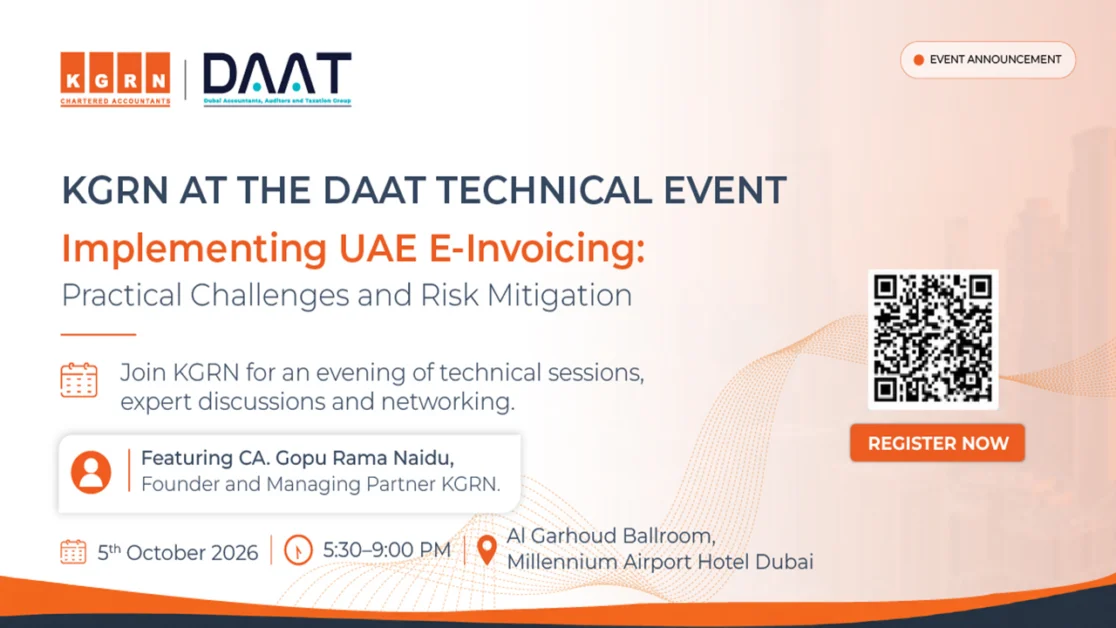
Businesses with revenue of AED 50 million or more appoint an Accredited Service Provider by 30 October 2026 and go live by 1 January 2027; others by 31 March 2027 and 1 July 2027. See eInvoicing for JAFZA companies.
Avoid rework
Common Mistakes to Avoid When Setting Up a JAFZA Company
A JAFZA setup has more moving parts than most free zones, because the facility, the goods and customs are part of the plan.
- 01
Selecting the wrong business activity
Activities that miss some of your products cause problems with customs declarations, banks and tax.
- 02
Choosing a licence without considering the business model
A Type 1 trading licence covers one activity group; a wide product range may need general trading.
- 03
Ignoring future visa requirements
Visa quotas follow the facility, so a workstation that suits year one can limit hiring later.
- 04
Not considering office or facility requirements
Storage, handling and safety needs decide whether you need an office, warehouse or land.
- 05
Looking only at initial setup costs
Rent, renewal, the annual audit, visas and customs duty on mainland sales all recur.
- 06
Ignoring accounting requirements
Renewal depends on audited accounts, which need clean monthly books and stock records.
- 07
Ignoring Corporate Tax and VAT considerations
Mainland sales can be non-qualifying income, and designated zone VAT rules are narrow.
- 08
Assuming all free zones have identical rules
Licence tiers, visa quotas, customs and audit rules differ between JAFZA and other zones.
- 09
Not verifying current authority requirements
JAFZA's rules, fees and procedures change, so rely on current information rather than older guides.
FAQs
Frequently Asked Questions About JAFZA Company Formation
Straight answers to common JAFZA questions. For advice on your goods, structure and facility, speak with our team.
Ask a question through our contact pageJAFZA, the Jebel Ali Free Zone, is DP World's flagship free zone beside Jebel Ali Port in Dubai. The Jebel Ali Free Zone Authority, established by Decree No. 1 of 1985, licenses FZEs, FZCOs and branches for trading, service, industrial and logistics activities.
Register your interest, complete JAFZA's online application and submit the documents. Once approved, you choose and lease a facility, pay the fees, and receive the licence, incorporation documents and facility access. Visas and Dubai Customs registration follow.
There is no single price. Cost depends on the entity, licence type and tier, facility lease, visas, approvals and professional fees, plus yearly renewal, rent and audit. Customs duty on goods sold into the mainland also affects margins.
Individual shareholders usually provide a passport copy, JAFZA's application and KYC-UBO forms, a short business plan and, if UAE resident, a no objection letter from their visa sponsor. Corporate shareholders and branches add incorporation documents and board resolutions, attested where required.
Yes. JAFZA states there are no foreign ownership restrictions in the free zone, and an FZE can be wholly owned by one foreign individual or company. Ownership remains subject to JAFZA's KYC and beneficial ownership checks.
JAFZA issues trading, service, industrial and logistics licences. Trading and service licences come in tiers by activity group, and a Type 3 trading licence covers general trading. Some goods, such as food, also need approval from other UAE authorities.
Yes, subject to eligibility. After incorporation, the company obtains a Computer Immigration Card and applies for visas through Dubai Trade. The quota depends on the facility, for example two visas per workstation or an initial 20 for a leased land plot.
You need a leased facility, though not necessarily an office: options run from a co-working workstation to an office, showroom, warehouse or land plot, and affect visas and cost. A JAFZA offshore company works differently and cannot trade with persons in the UAE.
A JAFZA company is licensed by the Jebel Ali Free Zone Authority and mainly trades within the zone and internationally. A mainland company, licensed by Dubai's Department of Economy and Tourism (DET), trades directly across the UAE. Eligible JAFZA companies can apply for a DET permit to operate on the mainland.
Yes, even if it expects the 0% rate. Companies incorporated on or after 1 March 2024 must register with the Federal Tax Authority within three months of incorporation. Whether 0% applies depends on meeting every Qualifying Free Zone Person condition, including audited accounts.
It depends on turnover. Registration is mandatory once taxable supplies and imports exceed AED 375,000 in 12 months, or are expected to in the next 30 days, and voluntary above AED 187,500. JAFZA is a VAT designated zone, which changes the treatment of some goods supplies.
Yes. FZEs and FZCOs submit audited financial statements to JAFZA every year through the Dubai Trade portal, and JAFZA's rules make audited accounts a condition of licence renewal. A Qualifying Free Zone Person also needs audited statements for Corporate Tax.
Yes. KGRN Chartered Accountants helps choose the entity, licence tier and facility, prepares documents and coordinates JAFZA's steps, then supports accounting, the annual audit, Corporate Tax, VAT and compliance. Licences, approvals and visas are issued by the authorities. Call or WhatsApp +971 54 586 4906.
This page provides general information about company formation in JAFZA and is not legal, tax or customs advice. Requirements, fees and procedures are set by JAFZA and other authorities and may change.
Next step
Planning to Set Up Your Business in JAFZA?
Speak with KGRN Chartered Accountants before you sign a lease. We will help you understand JAFZA's setup requirements, licensing considerations and documentation, and the accounting, tax and compliance obligations that follow.
- Setup requirements
- Licensing considerations
- Documentation
- Accounting
- Tax
- Compliance
Speak with a KGRN business advisor
Tell us about your goods, customers and visa plans, and we will outline your JAFZA options.
KGRN Chartered AccountantsOxford Tower 1005, Business Bay, Dubai, UAE
Phone and WhatsApp: +971 54 586 4906
Prefer to write? Use our contact page.